Jun 12, 2026
The "Black Tech" That Makes Activewear Breathe: Where Is It Hidden
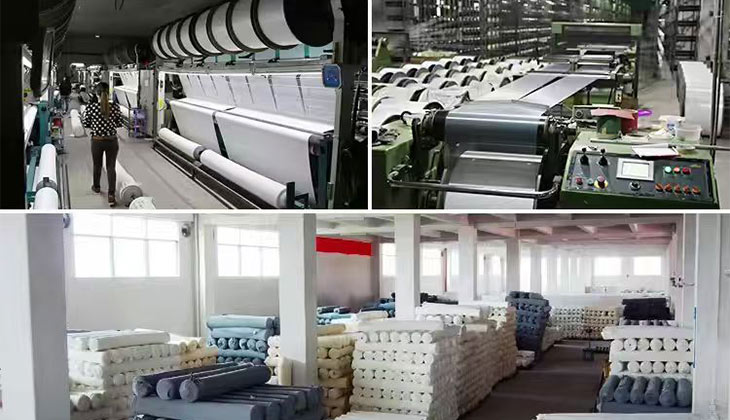
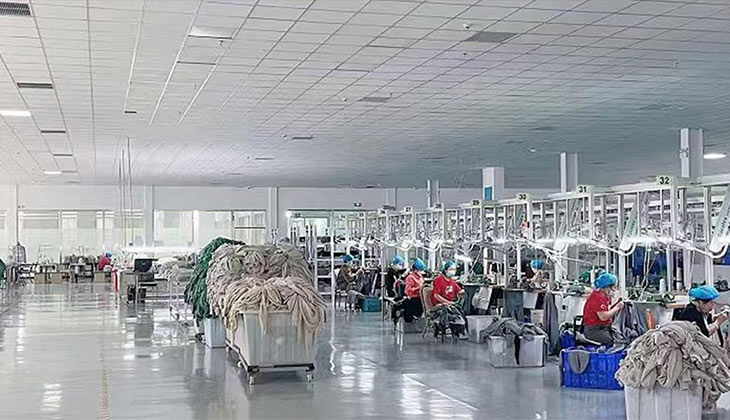
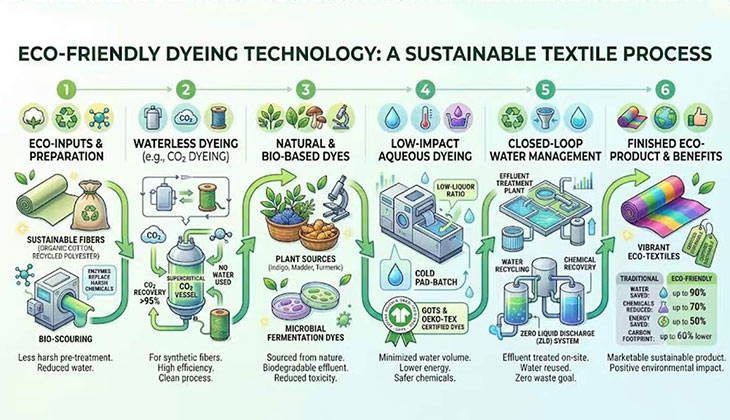
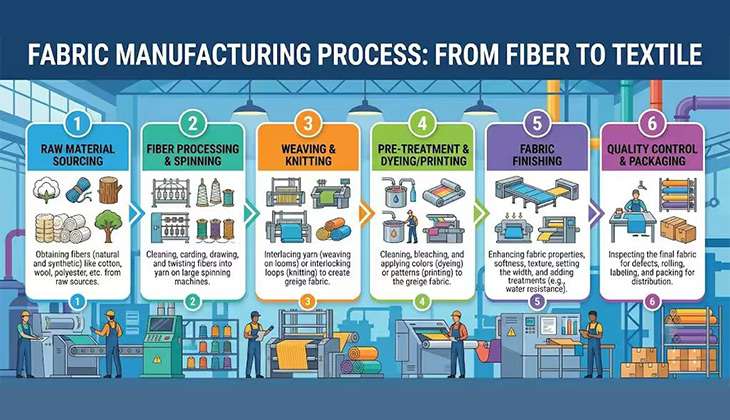
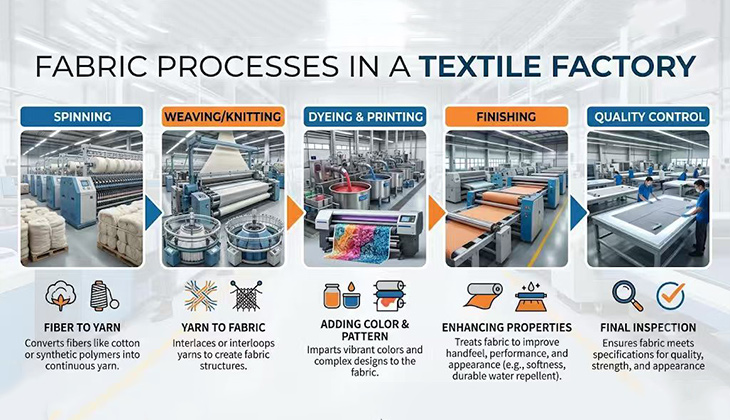
The "Black Tech" That Makes Activewear Breathe: Where Is It Hidden Nowadays, the popular activewear in the European and American markets is no longer just about covering the body and keeping warm. Those who pursue the ultimate sports experience—whether professional athletes, fitness enthusiasts, or founders of cutting-edge sports brands—are all looking for a garment that acts like a "second skin": it needs to provide firm muscle support, quickly dissipate heat and wick away sweat, and feel incredibly comfortable to the touch. As a factory specializing in customizing sportswear for global high-end brands, we have always believed in one principle: whether a piece of clothing is good or not depends entirely on how it helps you. To achieve this, we must start putting in the work from every single yarn. Today, we will take you into our digital factory to see how an ordinary fiber is transformed step-by-step into the "breathing" fabric used in high-end European and American activewear. The Six Refined Processes from Fiber to Garment Outstanding quality is by no means accidental, but the inevitable result of stringent standards. Our smart manufacturing base strictly follows six core smart manufacturing processes of the highest international standards, ensuring that every roll of fabric leaving the factory possesses the physical properties of anti-pilling, high elastic recovery, and long-lasting wear resistance. Our smart manufacturing supply chain encompasses a complete ecological closed loop: Raw Material Sourcing: Obtaining fibers (natural and synthetic) such as cotton, wool, polyester, etc., from raw materials. 100% traceable, high-purity natural fibers and high-performance polymer synthetic fibers (such as premium nylon and special high-stretch spandex) consolidate the foundation of quality from the source. Fiber Processing & Spinning: Cleaning, carding, drawing, and twisting fibers into yarn on large spinning machines. Utilizing internationally leading combing and twisting equipment, and through high-needle-density scutching and carding processes, micron-level fibers are condensed into yarns with extremely high tensile strength. Weaving & Knitting: Introducing high-gauge and high-density knitting machines imported from Germany and Italy to perform precise warp and weft interlacing, forming high-density greige fabric with stable weight and rich elasticity. Pre-Treatment & Dyeing/Printing: Employing non-toxic biological enzymes that comply with EU environmental standards for the scouring and bleaching of greige fabric. Utilizing microcomputer-controlled overflow dyeing technology to perfectly fix a unique visual color spectrum inside the fibers, ensuring outstanding colorfastness even after a hundred washes. Fabric Finishing: Enhancing fabric properties, softness, and texture, setting the width, and adding treatments (e.g., water resistance). Injecting exclusively developed functional finishing agents for heat-setting, tentering, skin-fri...
View More

 IPv6 network supported