Inside the Structure: Understanding the Key Components of High-Performance Yoga Wear
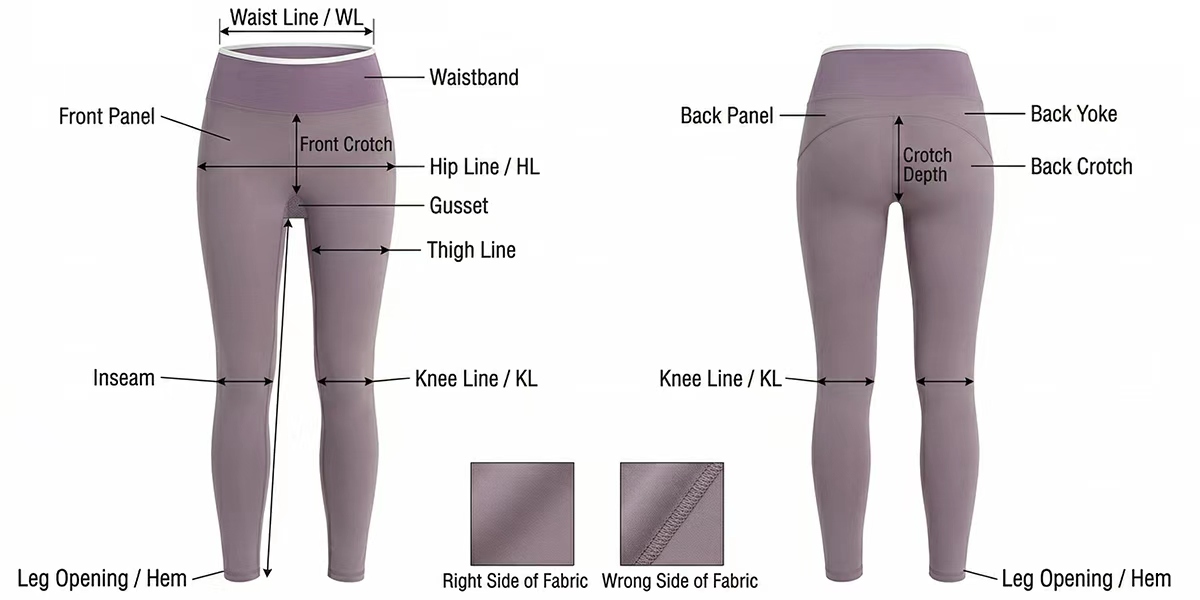
In modern activewear design, performance is not defined by fabric alone. The structure of a garment—how each panel is shaped, connected, and aligned—plays a critical role in comfort, durability, and fit.
For brands targeting premium markets in the United States, Europe, the United Kingdom, and Australia, understanding garment construction is essential for achieving consistency, functionality, and a refined product finish.
At our manufacturing facility, each component is engineered with precision to support movement, shaping, and long-term wear.
Core Structural Components of Yoga Wear
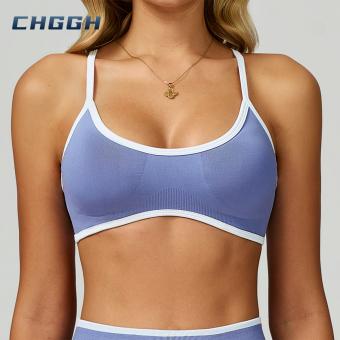
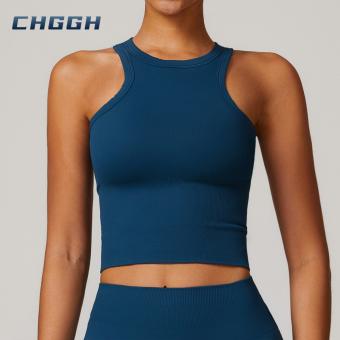
Upper Body Fit & Stability
-
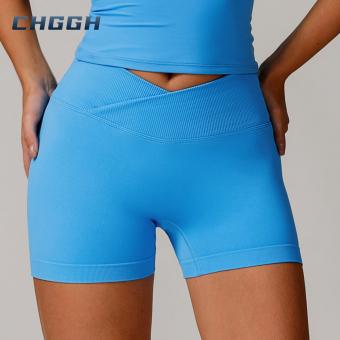
Waistband
The waistband provides core support and defines the overall fit. A well-constructed waistband maintains shape without rolling or compressing excessively.
-
Front Panel (Front / F)
The front panel determines comfort and appearance in the abdominal area. Clean cutting and proper stretch alignment ensure a smooth fit.
-
Back Panel (Back / B)
The back panel works together with the front to create balance in fit and tension distribution across the garment.
-
Back Yoke
The back yoke enhances shaping and helps contour the body, especially in premium leggings designed for a sculpted look.
Seam Engineering & Movement Support
-
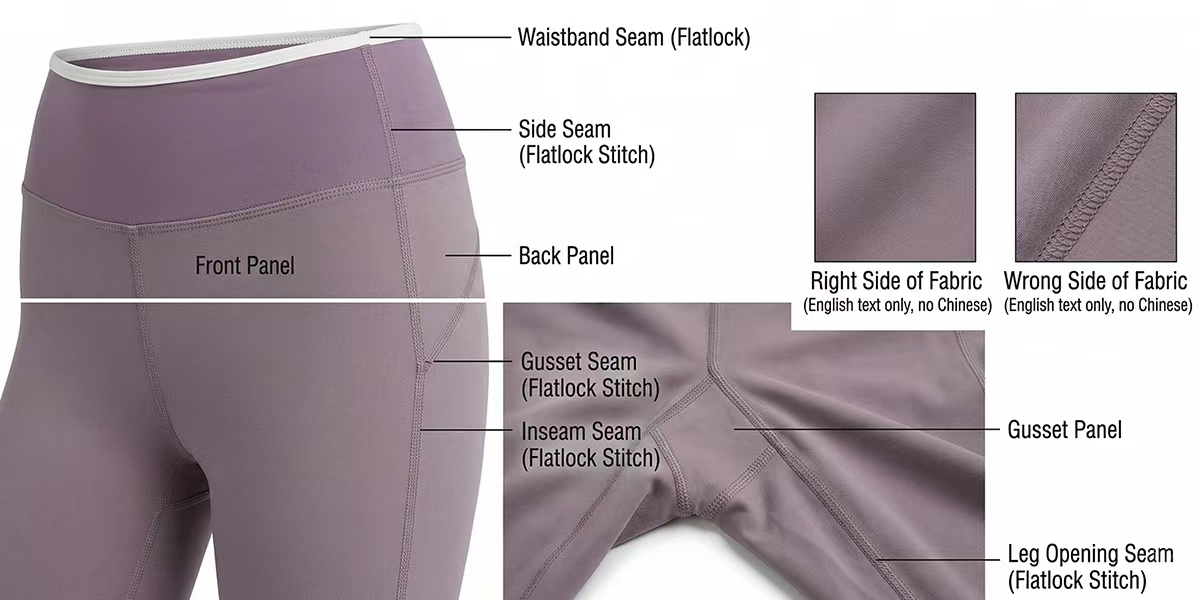
Side Seam
Defines the outer silhouette and contributes to visual structure. Often used for contouring or panel design.
-
Inner Seam (Inseam)
Runs along the inner leg and plays a key role in mobility and durability during stretching and movement.
-
Side Panels / Insert Panels / Pockets
Functional and aesthetic elements that can improve fit, add storage, or enhance body contouring.
-
Leg Opening / Hem
Determines how the garment sits on the leg. Proper finishing ensures stability without tightness.
Ergonomic Fit & Comfort Design
-
Gusset (Crotch Panel)
Also known as a diamond or triangular gusset, this component is critical for mobility and comfort. It reduces seam stress and prevents friction during movement.
-
Front Crotch / Back Crotch
These curved seams define how the garment fits through the body. Precision here is essential for avoiding discomfort and ensuring proper coverage.
-
Crotch Depth
Determines the vertical fit of the garment and affects both comfort and flexibility.
Measurement Lines & Pattern Accuracy
Accurate pattern development relies on key reference lines:
-
Waist Line (WL) – Defines waistband positioning
-
Hip Line (HL) – Controls fit around the hips
-
Knee Line (KL) – Guides shaping along the leg
-
Thigh Line – Supports movement and muscle fit
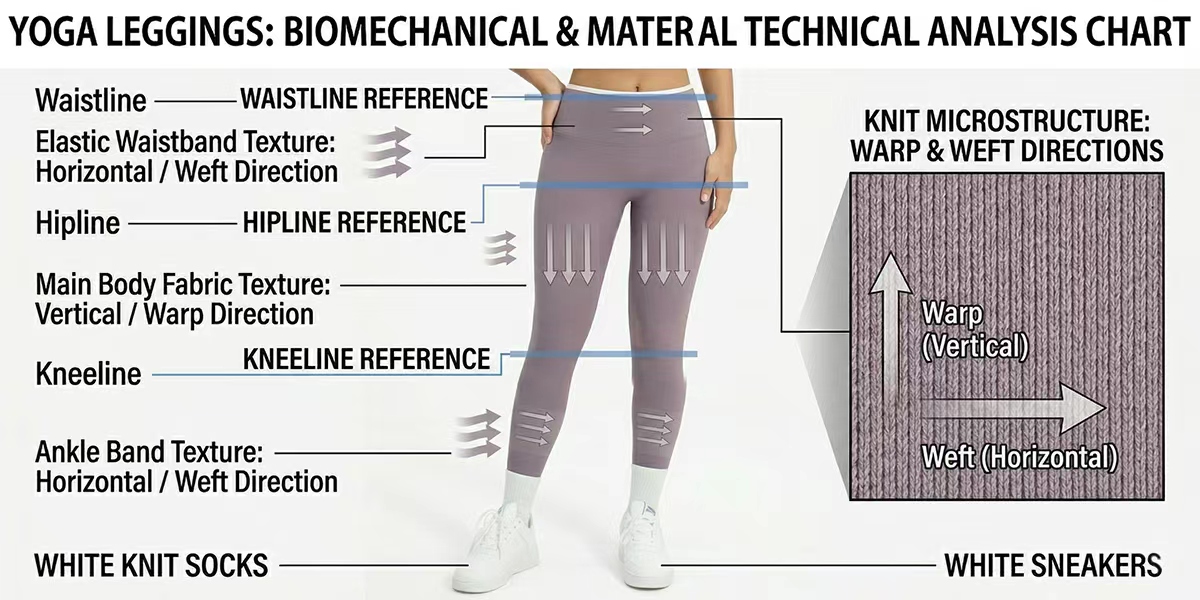
In addition, fabric orientation plays a critical role:
-
Right Side of Fabric – The visible outer surface
-
Wrong Side of Fabric – The inner side against the skin
-
On the Fold – Used in pattern cutting to ensure symmetry and reduce seam bulk
Why Structure Matters in Premium Activewear
Well-engineered construction ensures that yoga wear performs consistently across different activities—from static poses to dynamic movement.
For global brands, precise garment structure supports:
-
Reliable fit across sizes
-
Improved durability under repeated use
-
Enhanced wearer comfort
-
Consistent product quality across production runs
From Pattern to Performance
In high-performance yoga wear, every line, seam, and panel serves a purpose. By combining technical pattern development with advanced manufacturing processes, brands can deliver products that meet both functional demands and aesthetic expectations.
Understanding garment structure is not only a design advantage—it is a foundation for building long-term product trust in competitive international markets.

 IPv6 network supported