As sustainability becomes a defining factor in global activewear markets, eco-conscious materials are rapidly transforming the yoga apparel industry.
For consumers across the United States, Europe, the United Kingdom, and Australia, yoga wear is no longer judged solely by appearance or comfort. Increasingly, purchasing decisions are influenced by:
- Material transparency
- Environmental impact
- Ethical sourcing
- Long-term sustainability commitments
At our manufacturing facility, sustainable textile development is integrated into both product design and material sourcing, helping brands align with evolving international market expectations.
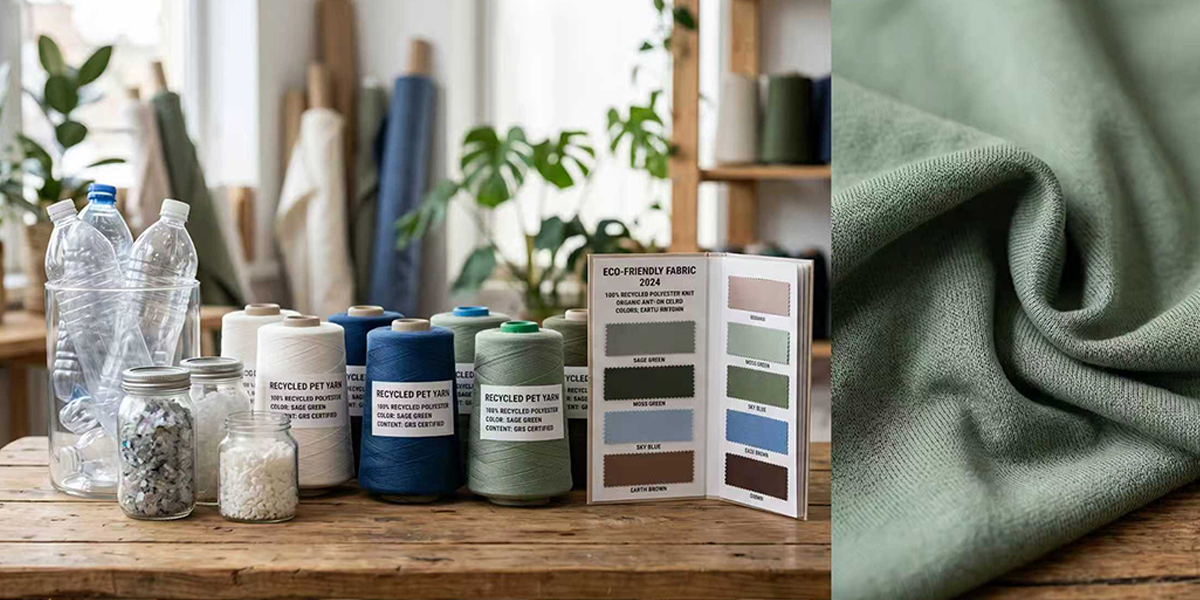
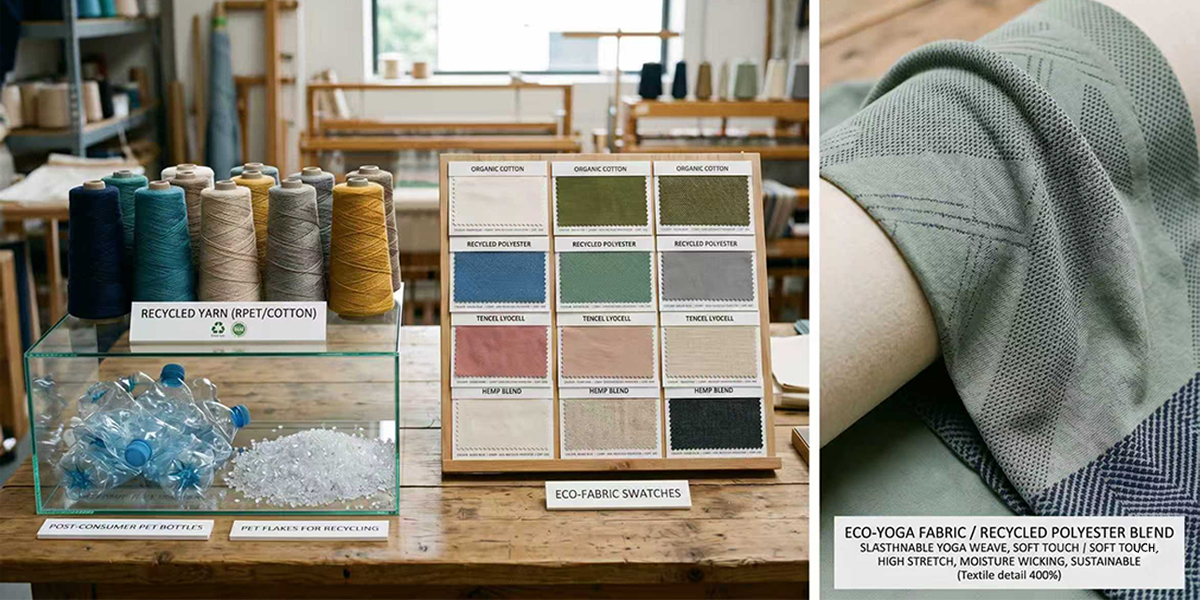
One of the most widely adopted sustainable materials in modern sportswear is recycled PET polyester, produced from post-consumer plastic bottles.
Through advanced recycling and spinning processes, discarded bottles are transformed into high-performance yarns suitable for yoga wear and active apparel.
Key benefits include:
- Reduced plastic waste
- Lower dependency on virgin petroleum resources
- Excellent durability and moisture management
This material has become a standard solution among many leading global activewear brands.
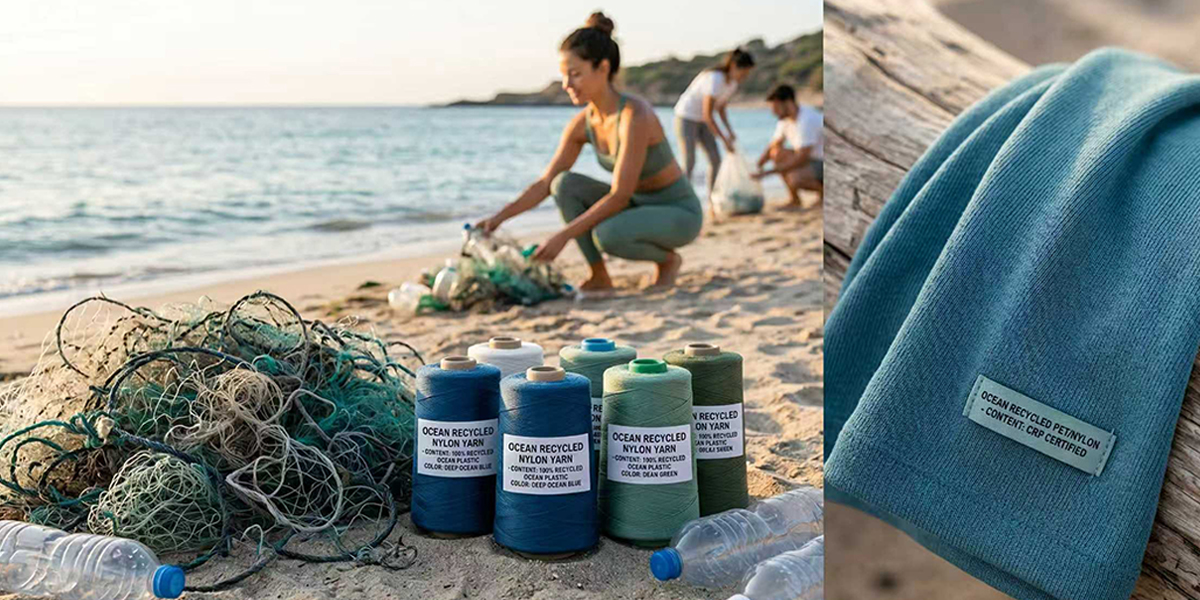
Recycled ocean plastics and discarded fishing nets are increasingly used in premium activewear collections focused on marine conservation initiatives.
These materials support:
- Ocean waste reduction
- Circular textile production
- Sustainability-focused brand storytelling
In Western markets, particularly Europe and Australia, ocean-recycled fabrics strongly resonate with environmentally conscious consumers.
Recycled nylon is produced from:
- Textile production waste
- Industrial nylon scraps
- Recovered synthetic materials
Compared with virgin nylon, recycled alternatives can significantly reduce environmental impact while maintaining the elasticity and durability required for high-performance yoga apparel.
Organic cotton is cultivated without synthetic pesticides or chemical fertilisers, making it a preferred choice for:
- Sensitive skin products
- Wellness-focused collections
- Eco-certified apparel programs
Many premium brands also require certifications such as:
- OEKO-TEX®
- Global Organic Textile Standard (GOTS)
Bamboo-based fibres are widely recognised for their:
- Breathability
- Soft touch
- Natural cooling sensation
- Antibacterial properties
These qualities make bamboo blends especially popular in yoga and lounge-focused activewear categories.
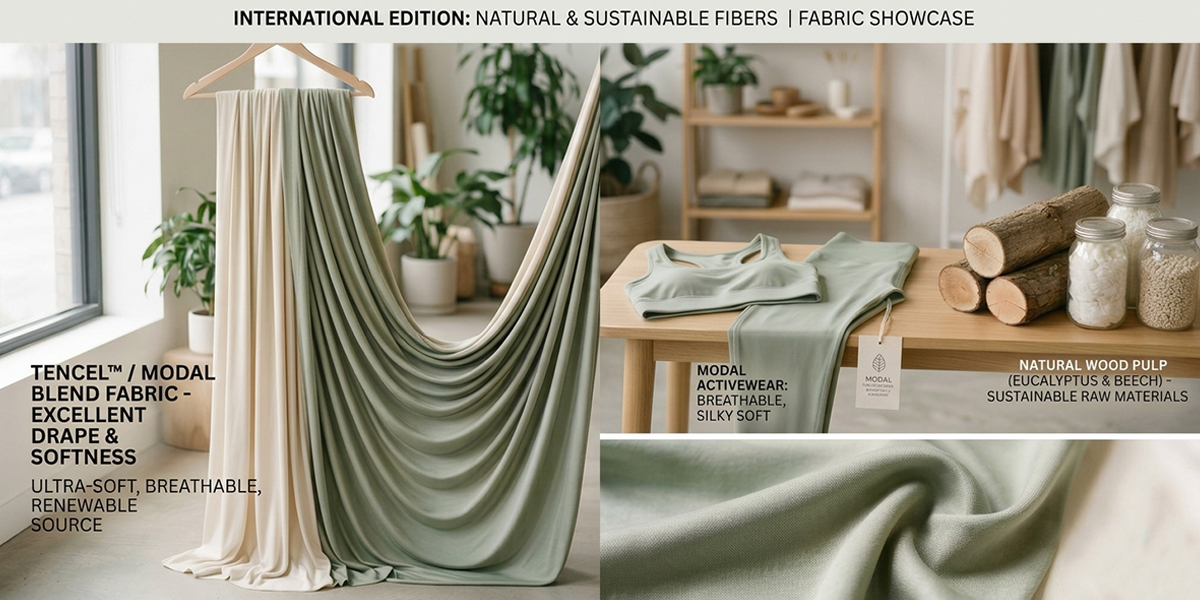
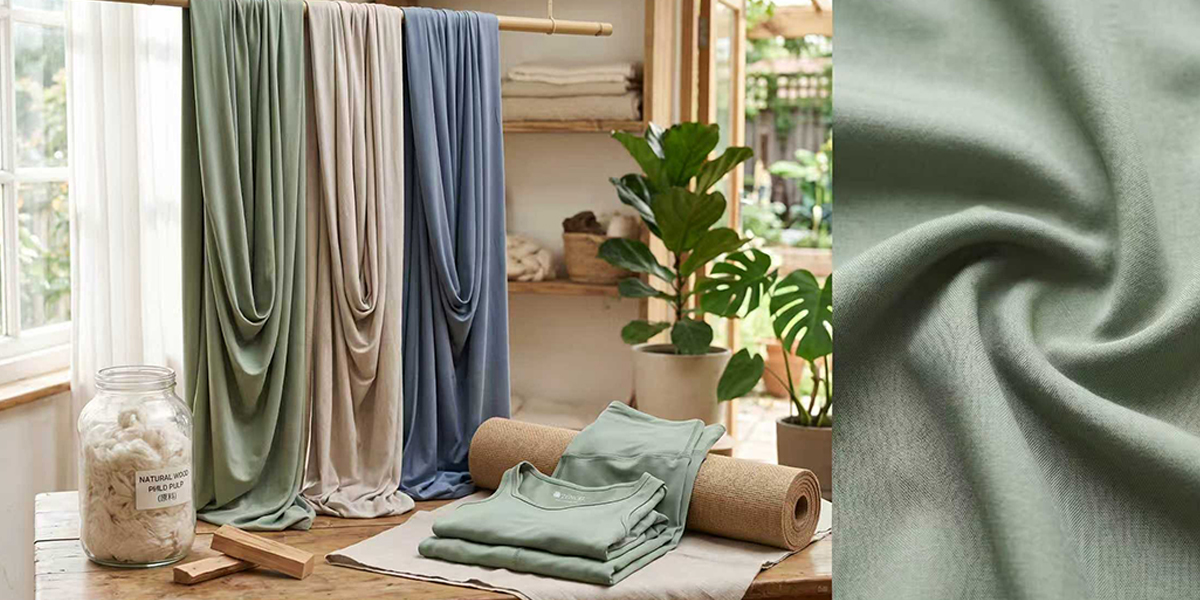
Fibres such as Lyocell and Modal are derived from renewable wood pulp sources including eucalyptus and beech trees.
These materials are valued for:
- Exceptional softness
- Biodegradability
- Breathability
- Lower environmental impact through closed-loop production systems
Lyocell, in particular, is increasingly used in premium yoga and athleisure collections due to its balance of sustainability and luxury texture.
The industry is also exploring emerging bio-based fibres, including:
Derived from fermented corn starch, PLA fibres offer biodegradable potential and reduced reliance on fossil-based materials.
Produced from soybean processing by-products, this fibre provides a soft hand feel while supporting waste reutilisation.
Created using milk protein extraction technology, this biodegradable fibre is valued for softness and skin-friendly performance.
In today’s activewear industry, sustainability is no longer viewed as a niche preference — it has become a core market expectation.
Brands increasingly seek materials that support:
- Lower environmental impact
- Circular production systems
- Compliance with international chemical safety standards
- Transparent sourcing practices
By integrating recycled, plant-based, and biodegradable materials into yoga apparel development, manufacturers can help brands strengthen both environmental responsibility and long-term consumer trust.
Our eco-friendly yoga fabrics are sourced from:
- Recycled plastic bottles
- Recovered ocean fishing nets
- Organic cotton cultivation
- Natural bamboo and wood pulp fibres
- Plant-based biodegradable materials
These solutions are designed to support recyclable, low-impact, and skin-safe activewear production aligned with modern global sustainability standards.

Active wear, yoga wear, gym wear, fitness wear manufacturer
 IPv6 network supported