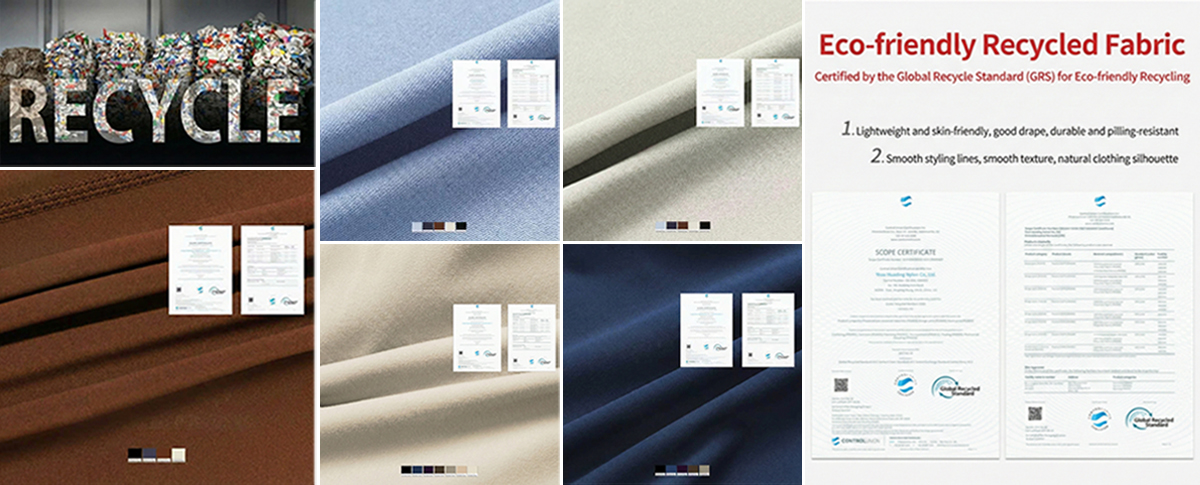
Sustainability is no longer just a concept — it’s a way of living. Across Europe, the United States, the United Kingdom, and Australia, consumers are increasingly drawn to apparel that reflects responsible values, without compromising comfort or performance.
Eco-friendly fabrics sit at the heart of this movement. They represent a thoughtful approach to material innovation, one that considers not only how clothing looks and feels, but also how it is made and how it impacts the world around us.
In modern fashion, fabric selection is no longer invisible. Today’s consumers want to understand what their clothing is made of and why it matters.
Eco-friendly fabrics are developed to reduce environmental impact throughout their lifecycle — from sourcing and production to long-term wear. By focusing on durability, reduced resource use, and responsible processes, these materials support a more conscious approach to everyday clothing.
This shift reflects a broader change in mindset: choosing fewer, better-made pieces designed to last.
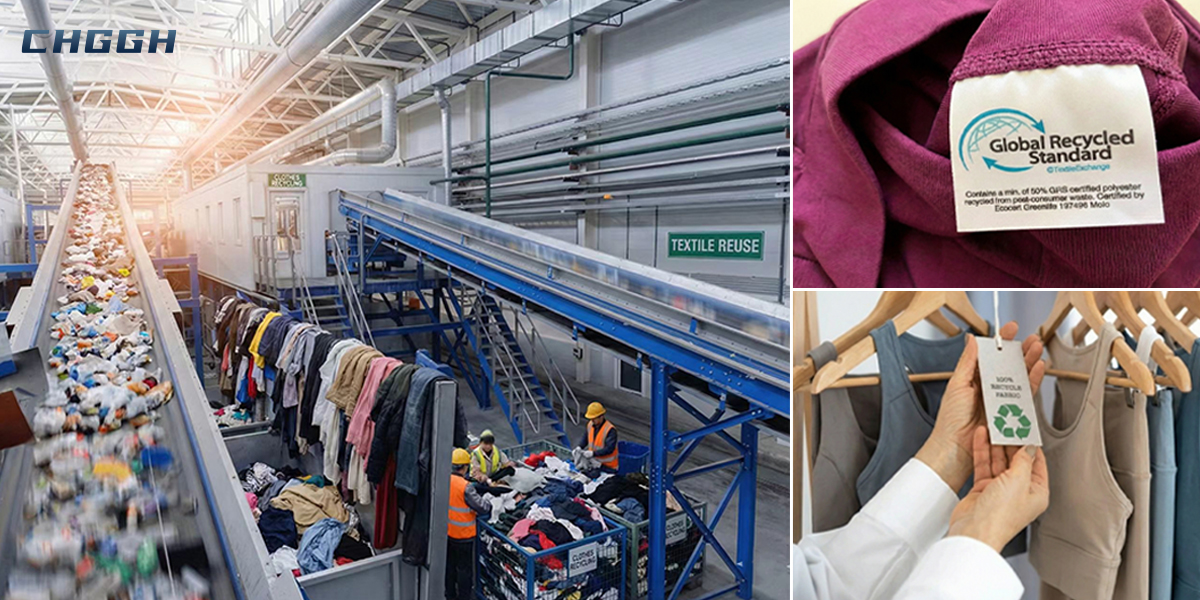
One of the most significant developments in sustainable textiles is the use of recycled fibres, such as recycled polyester and recycled nylon.
These materials are created by repurposing existing waste, helping to reduce reliance on virgin resources while minimising landfill impact. Advanced manufacturing techniques allow recycled fabrics to achieve the same performance standards as traditional materials — offering strength, flexibility, and breathability suitable for active and everyday wear.
Sustainability, in this sense, becomes practical rather than idealistic.
Eco-conscious fabrics are not only about environmental responsibility — they are designed to perform in real life.
Modern sustainable textiles are engineered to deliver:
Lightweight comfort for all-day wear
Soft hand feel suitable for direct skin contact
Breathability and moisture management
Durability that supports long-term use
By extending the lifespan of each garment, eco-friendly fabrics help reduce unnecessary consumption, encouraging a more intentional relationship with clothing.

True sustainability goes beyond the material itself. Responsible fabric development often involves lower-impact manufacturing processes, including reduced water usage, energy-efficient production, and careful chemical management.
These practices align with the expectations of global markets, particularly in regions where environmental responsibility is becoming a standard rather than an exception. Transparency and accountability are now essential elements of modern apparel brands.
Choosing eco-friendly fabrics is not about perfection — it’s about progress. For many consumers, sustainability is a series of thoughtful decisions made over time.
Eco-conscious materials allow individuals to:
Support responsible production practices
Invest in quality garments designed to last
Align personal style with environmental values
In a fast-moving world, these choices help slow things down — encouraging care, intention, and awareness.
Eco-friendly fabrics represent a quiet but powerful shift in the way clothing is designed and experienced. They bring together innovation, responsibility, and everyday functionality, creating garments that feel good to wear — and feel right to choose.
As sustainable technology continues to evolve, responsible materials will remain at the foundation of modern, forward-thinking apparel.

Active wear, yoga wear, gym wear, fitness wear manufacturer
 IPv6 network supported